
Why Backup Power Matters
Oregon’s unpredictable weather and growing demand on the power grid have made outages more frequent — from heavy storms to wildfire-related shutoffs. Reliable backup power ensures your essential systems, from lighting and refrigeration to medical equipment, stay functional when the grid goes down.
A good backup system not only keeps your home running but also safeguards your comfort and peace of mind during emergencies. That’s why choosing the right type of generator — and having it installed by a licensed professional — is so important.
Portable vs. Standby Generators
Portable Generators
Portable generators are budget-friendly and versatile. They typically run on gasoline or propane and are great for temporary power during short outages. Pros:
- Low upfront cost
- Easy to move and store
- Can power essentials like refrigerators, lights, and devices
Cons:
- Must be started and connected manually
- Limited power capacity (can’t run large appliances or HVAC)
- Safety risks from improper use or placement
- Need to refuel often
Portable generators are ideal if you just need to power a few essentials occasionally. However, they’re not meant for whole-home reliability or long-term emergency power.
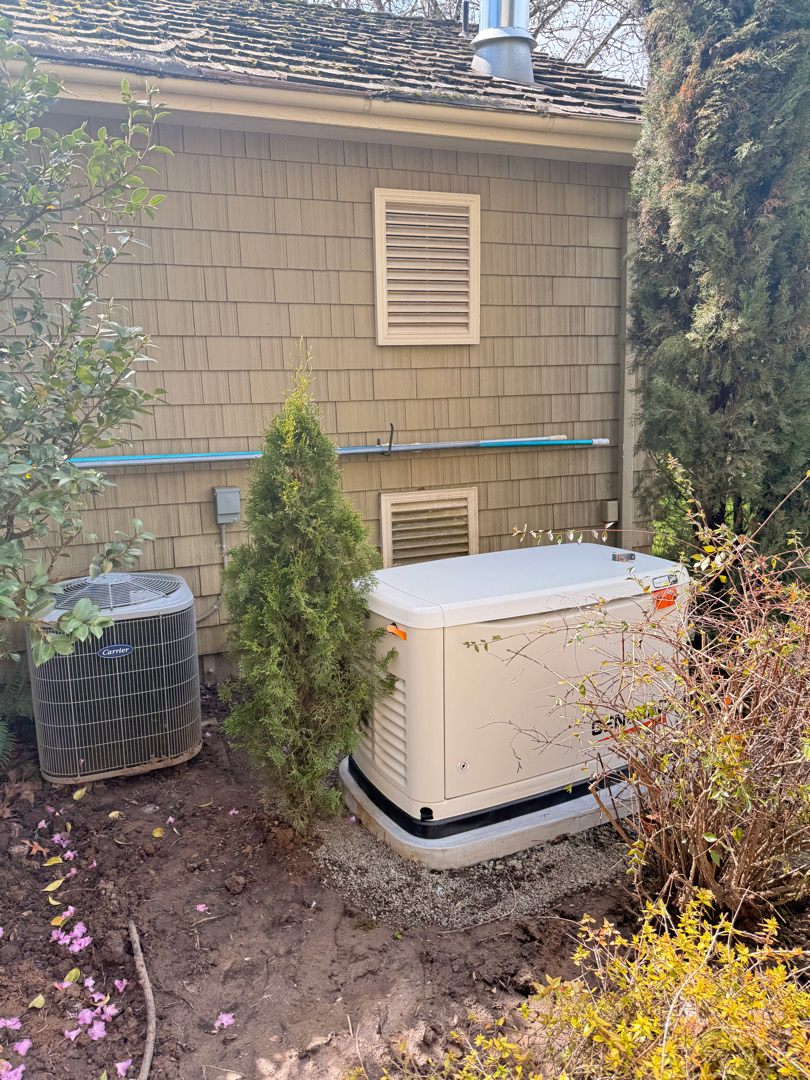
Standby Generators
A standby generator is permanently installed outside your home and connected directly to your electrical panel. It runs on natural gas or propane and starts automatically during an outage. Pros:
- Instant, automatic power transfer
- Can handle large loads (whole-home coverage)
- Quiet, fuel-efficient, and safer than portable units
- Long-term reliability
Cons:
- Higher upfront and installation cost
- Requires professional installation and permits
- Needs periodic maintenance
For Oregon homeowners who face regular outages or just want peace of mind, standby generator installation is a smart investment in comfort, safety, and convenience.
The Role of the Automatic Transfer Switch (ATS)
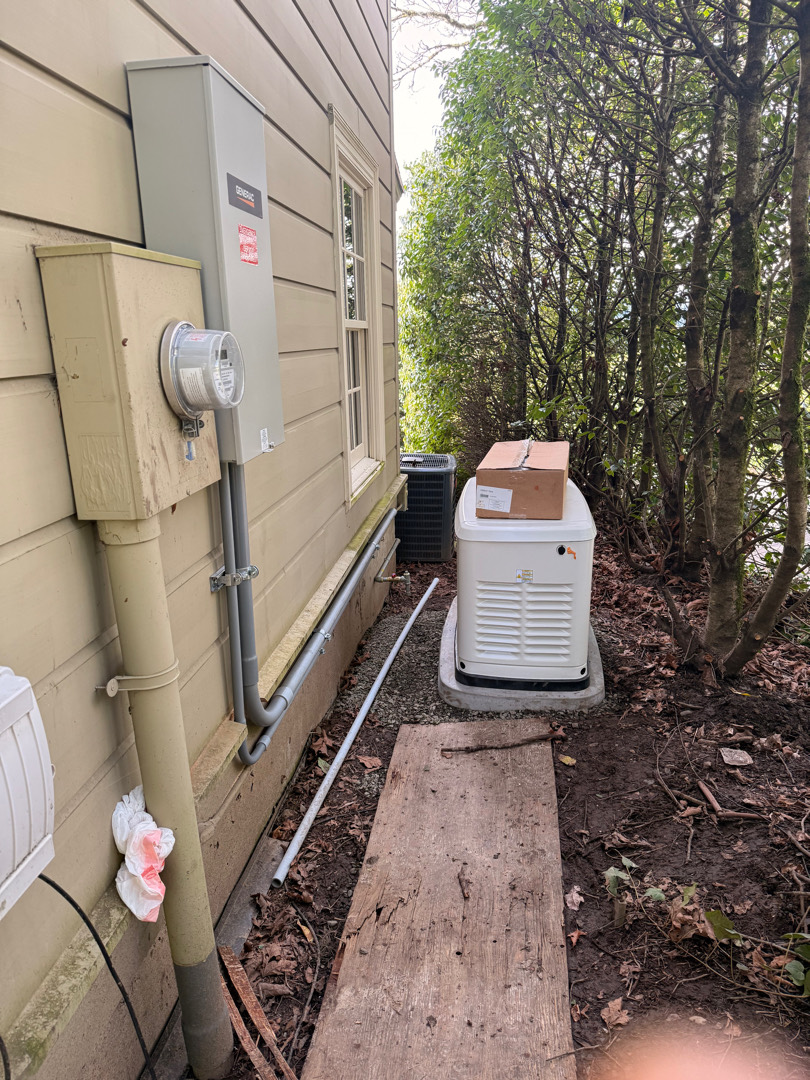
A key part of any standby system is the automatic transfer switch (ATS) — the device that detects when power from the grid fails and automatically transfers your home’s electrical load to the generator.
When utility power returns, the ATS switches back seamlessly. This prevents dangerous “back-feeding,” which can send electricity into utility lines and endanger repair workers.
Portable generators often use manual transfer switches, which require you to flip the switch yourself. Standby systems come with automatic switches that do the job instantly, keeping your power steady even if you’re not home.
What Oregon Homeowners Should Consider
1.
Fuel Type: Most standby systems run on propane or natural gas. Choose what’s readily available in your area.
2.
Power Needs: Do you need to run just essentials, or your entire home? Your electrician can help size your generator correctly.
3.
Location & Permits: Standby units must be installed outdoors, at a safe distance from windows and vents, and require proper local permits.
4.
Maintenance: Schedule regular testing and servicing to ensure your generator starts instantly when needed.
5.
Professional Installation: Partner with a licensed Oregon electrician for safe wiring, code compliance, and proper ATS setup.
Portable or Standby: Which Is Right for You?
| Situation | Recommended Option | Reason | Short, occasional outages | Portable generator | Affordable, simple setup | Frequent or long outages | Standby generator | Automatic, reliable power | Moderate budget, essential circuits only | Standby with smaller load setup | Balanced power and cost
If you value automatic, whole-home protection, a standby generator installation by professionals like Smiley Electric, Inc. is the way to go.
Stay Powered Up — With a Smile
Power outages don’t have to mean disruption. At Smiley Electric, Inc., we help Oregon homeowners install and maintain safe, reliable backup systems — from automatic transfer switches to full standby generator installations.
[quote estimator]